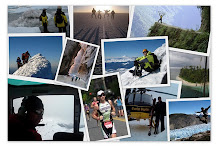
(only some photos for now)


 Sucre, one of the two disputed capitals of Bolivia, was said to be a beautiful city and a great place to chill. And chill I did. I was a bit in shock when I went to pay my hostel ¨tab¨and was told I had been there 12 days. Oh well, it was good to relax and do nothing for a while before heading up to Cochabamba to tax my stale brain with fours hours of Spanish a day for the next month. My ¨doing nothing¨consisted of lots of walking around, sitting in the park talking with the shoeshine boys and eating lots of street-za (the name I gave the yummy pizza cooked and sold by mobile vendors). The hostel I stayed at was one of the most comfortable places I've stayed on this trip and was a hell of a deal for 40 Bolivianos ($5+) per night for my own room. There was a good group of ´long timers´ there studying Spanish and the family that ran the place was great - especially the newly turned 6 year old chess prodigy, Antonio. I got my first look at the Bolivian birthday tradition that includes cake and singing at breakfast and the ´lucky´

 one with the birthday having their face shoved in to the cake (glad I´ll be gone by December). Another highlight was the grand 'entrada' that lasted for hours and hours. It was great to finally see my friend Samarah
 come dancing through the square well after midnight. Though really cool (amazing costumes and a fantastic disregard for public safety), I'll be fine if I don't watch another parade for a long time.


 Potosi is a city famous not only because of its altitude of over 13,000 feet, but (more importantly) for its mining history. Because of these silver mines, Potosi was the largest and wealthiest city in Latin America


 (It is said that due to the noxious chemicals these guys breathe in, ones life expectancy can be as short as 10 years after making that first fateful step into the mines) Willie gave us great insight into the beliefs of the miners and how difficult a life they lead. Though most of the miners share Christian beliefs outside of the mines, they all worship and give thanks to 'Tio' (the devil) while inside the mines for allowing them to work and earn a living in his lair. We
 also got to meet some of the miners and give them gifts of coca leaves, cigarettes, alcohol and dynamite that we had purchased in the miners market. We also bought some
 dynamite for ourselves to blow up outside the mine.


 Wow again. Many people had said that visiting the Salt Flats around Uyuni was a must do when traveling in South America, but I had no idea what I was actually in store for. With a Canadian couple, a Swiss girl and a guy from London, we headed out from Tupiza in a beat up old Toyota Land Cruiser.


 , to intriguing ruins, to red and green and blue lakes, to steaming, bubbling geysers it was hard to believe that the climax or crescendo could actually live up to the previous few days. Alas, the final day´s sunrise on the eerily white salt flats did not disappoint. While driving across the salt flats (think hard rock made of pure white salt), you could not help feel like you were crossing a frozen lake up in Minnesota. It would not have surprised me in the least to see a snowmobile come flying past our jeep leaving a wake of snow. After the sunrise, we visited a cactus island and took the cliche salt flat photos that are a requisite for a visit here. Other highlights were staying in a salt hotel, wandering through ruins at sunrise and seeing rock formations that seemed to be straight out of a Dali painting. All in all, this four day journey will definitely go down as one of the coolest things I have ever done.